Maintaining your landscape vibrant, functional, and resilient in the 626 area code needs considerate timing and specific upkeep. Whether you own a home in Pasadena or manage properties in nearby areas, grasping the proper schedule for landscape updates improves curb appeal, sustains plant health, and aids water conservation in this semi-arid zone.
Understanding When to Update Your Landscape Design in the 626 Area Code
Deciding the best update intervals for your landscape hinges on factors like microclimate, seasonal variations, and shifting design trends. The Mediterranean climate of the 626 area code, with warm dry summers and gentle wet winters, governs planting times and maintenance routines. Continuously revitalizing seasonal flora and following landscape trends guarantees a vibrant, climate-resilient garden all year.
Effective landscape planning merges visual appeal with practical climate responsiveness. For instance, using drought-hardy native flora or reshaping your landscape to handle heat better conserves water and enhances toughness. The timing of color shifts in seasons and pruning routines significantly affects when to refresh landscape components.
Considerations That Determine Landscape Update Timing
Several ecological and care-related factors influence the update frequency. Soil quality, the health of your turf, and pest presence require consistent monitoring to determine when interventions or redesigns are necessary. Furthermore, managing erosion and conserving water might call for more regular modifications to maintain sustainability and aesthetic value.
Seasonal and Climate Impacts in the San Gabriel Valley
Seasonal changes play a major role in determining landscape upkeep in the San Gabriel Valley:
- Seasonal color variations: Renew annual blooms two or three times annually to keep vibrancy. Schedule for planting: Optimal planting periods generally fall in early spring and late fall to leverage cooler temperatures Pruning timetable: Prune shrubs and woods at optimal times to support healthy growth and flowering, usually late winter or early spring before new growth starts. Flower beds and tree trimming: Demand routine attention to avoid overcrowding and ensure visual clarity.
Adjusting updates to these schedules aligns your garden's needs with local climatic patterns, encouraging healthier plants and improved aesthetics.
Impact of Landscape Maintenance on Update Needs
Ongoing maintenance significantly influences how frequently you need to refresh your design. Lawn care routines, shrubbery shaping, mulch application, and composting aid soil and plant health, sometimes slowing major redesigns. Conversely, neglecting basic tasks like landscape inspections or timely pruning often speeds up the need for more extensive updates.
- Lawn aeration and fertilization help sustain turf vitality, reducing patchiness and compaction.Mulch replenishment holds moisture and limits weeds but may require renewal annually or biannually depending on material degradation.Regular garden tool maintenance guarantees clean cuts and healthier plants, enabling longer intervals between major renovations.
Essential Elements to Refresh During Landscape Updates
When it’s time to update your landscape, pay attention to both softscape and hardscape components for a balanced renewal:
- Hardscape features: Assess pathways, retaining walls, and patios for wear or outdated styles that could be updated to boost curb appeal. Outdoor lighting: Improving to energy-efficient fixtures or repositioning placement improves safety and ambiance. Furniture and décor: Swap out worn or outdated outdoor furniture to match your landscape’s style. Drip irrigation systems: Setting up or updating drip irrigation facilitates water efficiency suited for the 626 area's drought conditions. Hardscape materials: Look at sustainable and locally sourced materials for repairs or new installations.
Sustainable and Water-Wise Upgrades
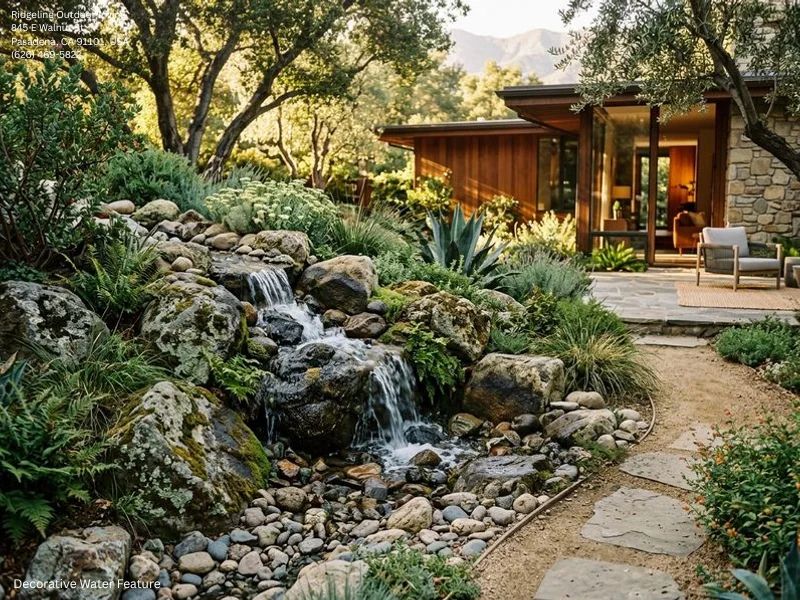
Eco-friendliness is critical for landscape longevity in the 626 area code. Implementing xeriscaping strategies, artificial grass Pasadena CA creating rain gardens, and selecting native plants cut water consumption and support ecological health. A efficient drip irrigation system limits runoff and supplies water into root areas, substantially conserving resources while promoting vibrant plant growth.
- Native landscaping boosts biodiversity and calls for less chemical intervention.Rain gardens help manage stormwater and decrease erosion on slopes common in Pasadena.Using drought-resistant plants like lavender, California poppies, or succulents keeps beauty with reduced watering.
Steps for Developing a Pruning and Planting Timetable for Continuous Care
A well-organized pruning and planting calendar matched to local climate cycles lengthens your landscape's healthy lifespan:
- Pruning schedule: Target dormant seasons (typically late winter) for significant pruning to reduce stressing plants during growth. Planting schedule: Set new plantings in early spring or fall to promote root establishment before intense temperatures. Seasonal plants: Change annuals periodically for steady bursts of color suited to each period. Monitoring plant health: Regular inspections aid identify pest issues early, minimizing damage and the need for extensive replanting. Pest management: Use organic pest control methods to maintain ecosystem balance.
Finding an Ideal Landscape Contractor in the 626 Area Code
Selecting a skilled contractor familiar with Southern California’s specific environment can make all the difference. Look for professionals skilled at landscape renovation, sustainable upgrades, and compliance with local water regulations. A reliable contractor will aid balance your landscape budget with desired outcomes, improving property value without going beyond costs.
Consider these tips for finding a credible contractor:
- Examine certifications or affiliations with accredited landscaping organizations.Request portfolios of previous work within the 626 area code.Ask for references or reviews from local clients to confirm good outcomes. Confirm they comprehend environmentally friendly methods such as xeriscaping and optimal irrigation.Review extended maintenance plans to reduce regular high-priced updates.
Budgeting for Regular Landscape Updates
Setting up a practical landscape budget is necessary for prompt updates without financial pressure. Set aside funds once a year or every two years for regular improvements like mulch replacement, plant replacement, and limited hardscape repairs. Keep a portion of the budget for unplanned issues such as pest infestations or weather-related damage.
Smart budgeting aids ongoing landscape planning, guaranteeing investments lead to increased property value and improved curb appeal over time.
Leveraging Technology for Landscape Updates
Modern technology can facilitate landscape management and maximize resource use:
- Smart irrigation systems: Intelligently adjust watering based on soil moisture and weather forecasts, avoiding overwatering. Automated outdoor lighting: Boost security and energy savings through motion sensors and timers. Soil moisture sensors: Deliver real-time data to direct watering decisions and stop plant stress. Weather-based irrigation scheduling: Change watering frequency according to seasons or during rainy periods. Landscape design software: Supports visualize updates and plan phased renovations efficiently.
Enhancing Outdoor Living Spaces Alongside Landscape Updates
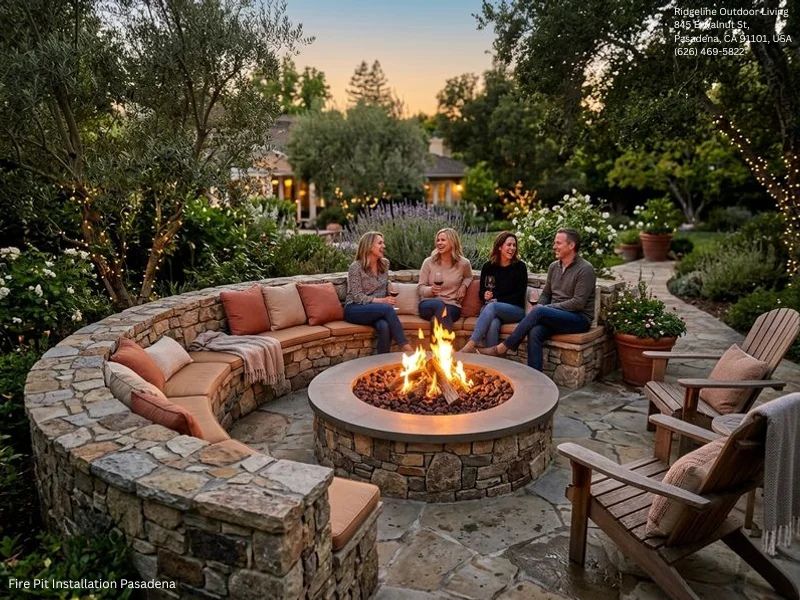
Including outdoor living features enhances usability and enjoyment of your property. When refreshing your landscape design, consider adding or refreshing elements like outdoor kitchens, patios, fire pits, and seating areas. Environmentally conscious furniture options made from recycled or weather-resistant materials are suitable for the 626 climate, merging durability with eco-consciousness.
Common Mistakes to Avoid When Updating Your Landscape Design
Avoid these errors to improve the success of your landscape updates:
- Overwatering—especially in drought-prone Southern California, which can result in root rot and deplete resources. Skipping soil testing—lacking adequate analysis, nutrient deficiencies or pH imbalances persist unnoticed.Poor pruning timing—cutting at the unsuitable season injures plants or limits flowering.Mixing incompatible plants that fight over water or sunlight.Failing to implement pest control measures that trigger infestations and plant loss.
Popular Questions
How often should I prune my plants in Pasadena's climate?
Common shrubs and trees require pruning once a year during late winter. That said, light pruning can be done during the growing season to shape plants or take off dead material.
What are the best drought-tolerant plants for the 626 area code?
Some top drought-resistant options include California poppy, lavender, agave, succulents, manzanita, and ceanothus. These natives flourish with minimal irrigation once established.
When is the best time to apply mulch in Southern California gardens?
Lay down mulch in spring or fall to preserve soil moisture during hot months and control weeds. Renew annually or as needed depending on decomposition.
How can I improve soil quality for better plant health?
Add organic matter such as compost periodically, test soil pH and nutrients, and reduce compaction by cutting down foot traffic in garden beds.
What are signs that my landscape needs a major update or renovation?
Signs include persistent plant decline despite care, outdated design styles, poor drainage, erosion issues, and inefficient irrigation resulting in water waste.
How do I choose a reliable landscape contractor in the 626 area code?
Look for experience with local conditions, positive references, proper licensing, clear communication, and an understanding of sustainable landscaping practices.
What are eco-friendly options for maintaining outdoor lighting and irrigation?
Employ LED lighting with timers or sensors, adopt drip irrigation systems, and rely on smart controllers to enhance water efficiency.
How can I balance water conservation with lush garden design in a semi-arid climate?
Incorporate native and drought-tolerant plants, use efficient irrigation systems, amend soils with organic mulch, and group plants with similar water needs together.
Ridgeline Outdoor Living
Ridgeline Outdoor Living is a Pasadena-based landscape design-build company serving Greater Los Angeles with custom outdoor living, hardscape, and drought-tolerant landscape solutions. The company specializes in patios, retaining walls, outdoor kitchens, drainage, hillside projects, and turnkey landscape construction, handling projects from design and permitting through final build and warranty.
Address:
845 E Walnut St,
Pasadena,
CA
91101,
United States
Phone: (626) 469-5822
Map: View on Google Maps
Business Hours:
- Monday – Saturday: 8:00 AM – 6:00 PM
- Sunday: Closed
Follow Us: